Papua New Guinea is a rural country of more than nine million population. More than eighty-five percentage of its population live in rural villages, scattered across some of the most challenging and toughest terrains in the world, making it difficult for the government to provide basic services and infrastructures to all people.
PAPUA NEW GUINEA NEEDS AN INCLUSIVE AND SUSTAINABLE DEVELOPMENT MODEL TO ADDRESS ITS UNIQUE DEVELOPMENT CHALLENGES
Lucas Kiap
PNG is a rural country of more than nine million population. More than eighty-five percentage of its population live in rural villages, scattered across some of the most challenging and toughest terrains in the world, making it difficult for the government to provide basic services and infrastructures to all people.
With its rugged terrains, scattered rural villages, customary landownership issues, tribalism, and lack of socio-economic development at the village level among other issues, make it very challenging for our Papua New Guineans to expose to opportunities to improve their living standards and quality of life.
Currently, there are no inclusive and sustainable development models to address PNG’s unique development challenges.
Also, there is no inclusive economic model to address the development aspirations of the rural people in order to bring everyone and integrate them into the formal economy thereby creating a complete inclusive economy.
The government implemented Vision 2050 in 2010, Development Strategic Plan (2010-2030) in 2010, Medium Term Development Plan (2018-2022) in 2018 and adopted the Millennium Development Goals (MDG) in 2015 for PNG to be a middle-income country and one of the top 50 economies in the world by year 2050.
But none of the development plans and strategies address the country’s unique development challenges of rugged terrains, scattered rural villages, customary landownership issues and tribalism; all in a single development model.
We need to develop and implement country specific development models which will address the specific and unique development challenges faced by the country.
The models must be anchored on PNG’s rolling Medium-Term Development Plans, Strategic Development Plan (2010-2030), and Vision 2050 for PNG to be a middle-income country and one of the top 50 economies in the world by year 2050 and the Government of Prime Minister James Marape’s vision to “Take Back PNG and make the country a rich nation where no child is Left behind”.
Picture credit: Internet
Read more news and stories here. Watch online news and documentaries about Papua New Guinea here.
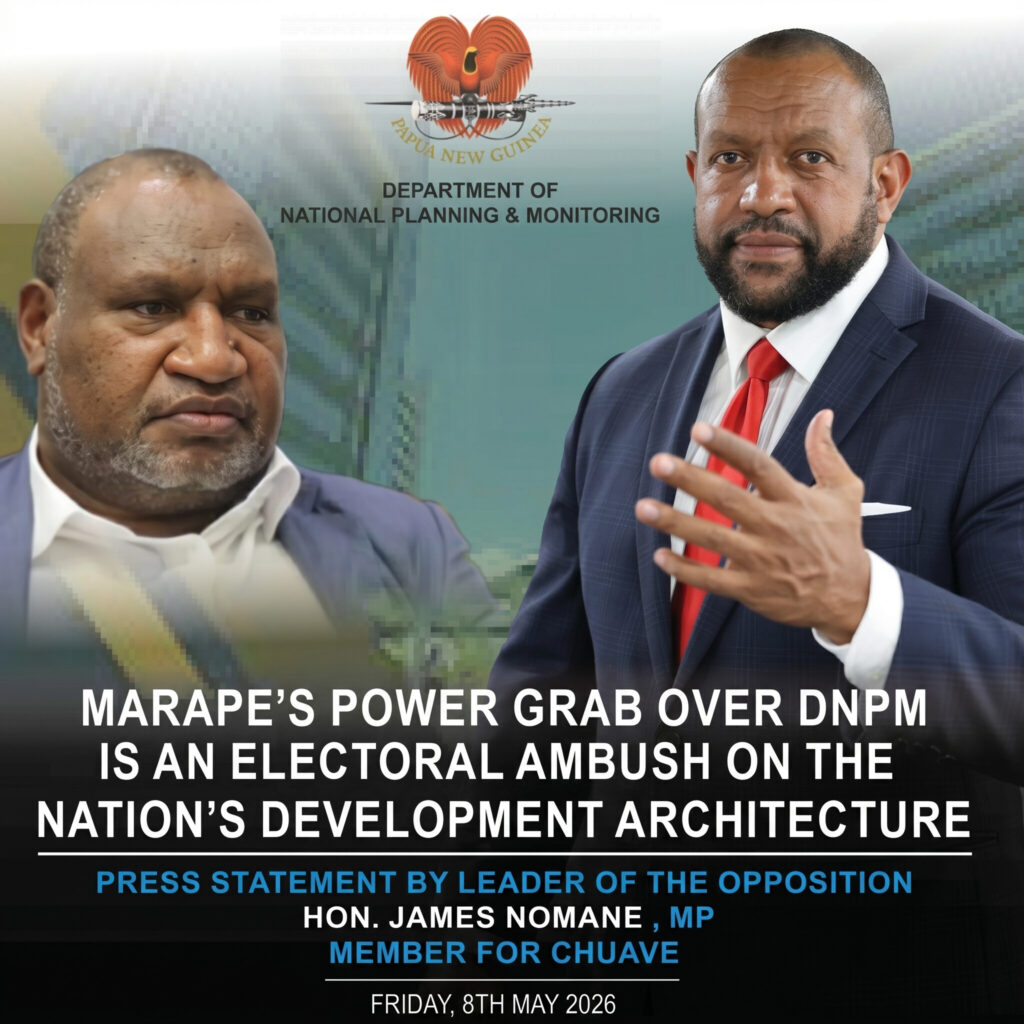
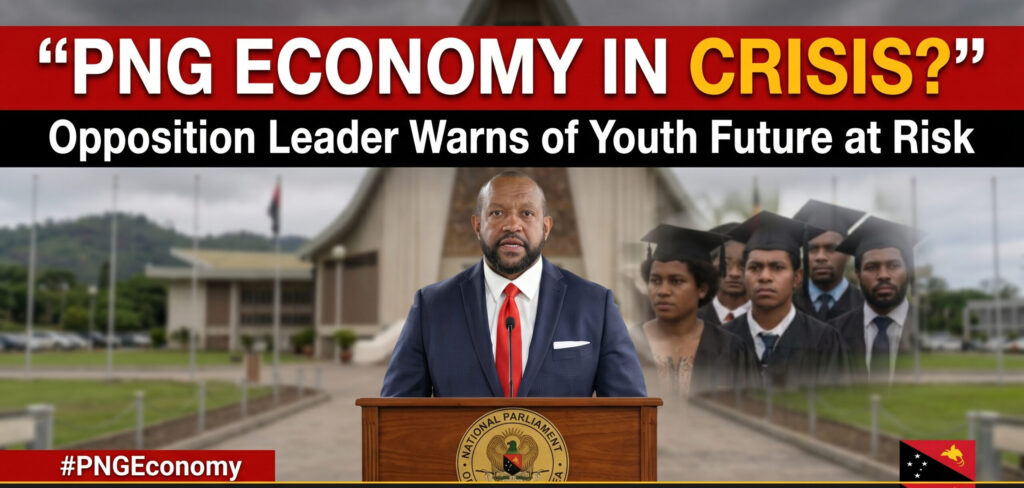
Opposition Leader James Nomane criticises the PNG government over economic damage affecting young graduates and calls for a Vote of No Confidence to restore leadership.
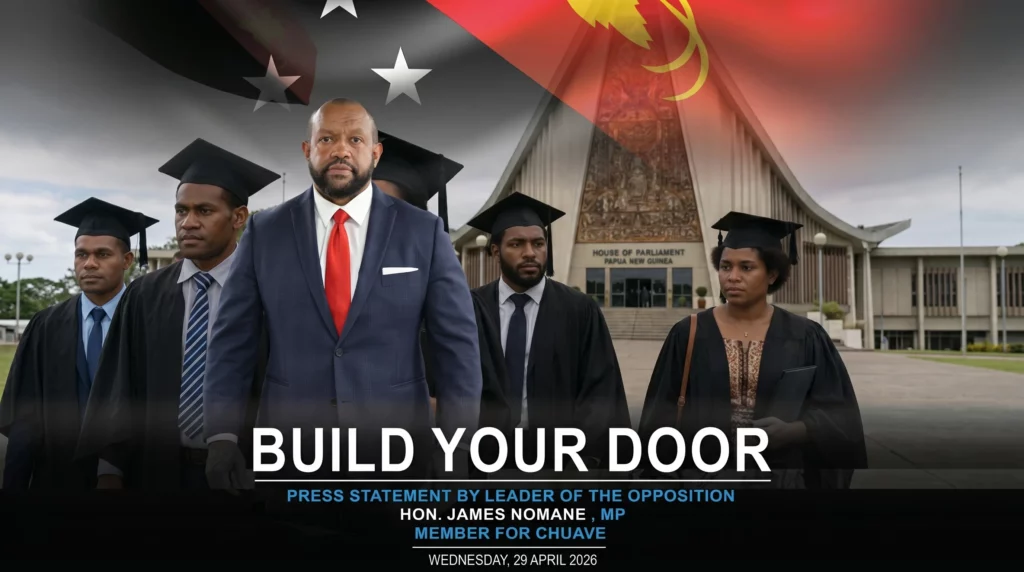
PNG Opposition Leader and Member for Chuave Hon, James Nomane urges graduates to stop waiting for opportunities and instead “build their own door,” highlighting unemployment, corruption, and the need for discipline and leadership among young people
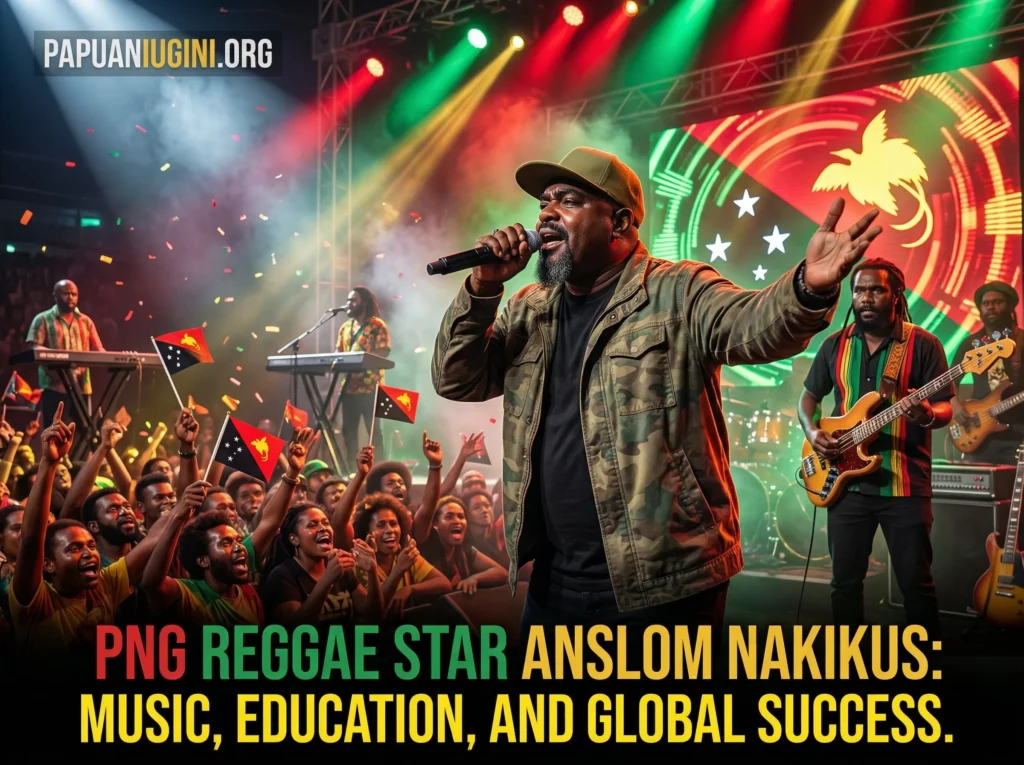
Many Papua New Guineans know Anslom Nakikus as a famous reggae singer. But fewer people know that he is also a well-educated man who studied at the University of Papua New Guinea and the University of Goroka before rising to international music success. His story shows how education and talent can work together to inspire a generation.