
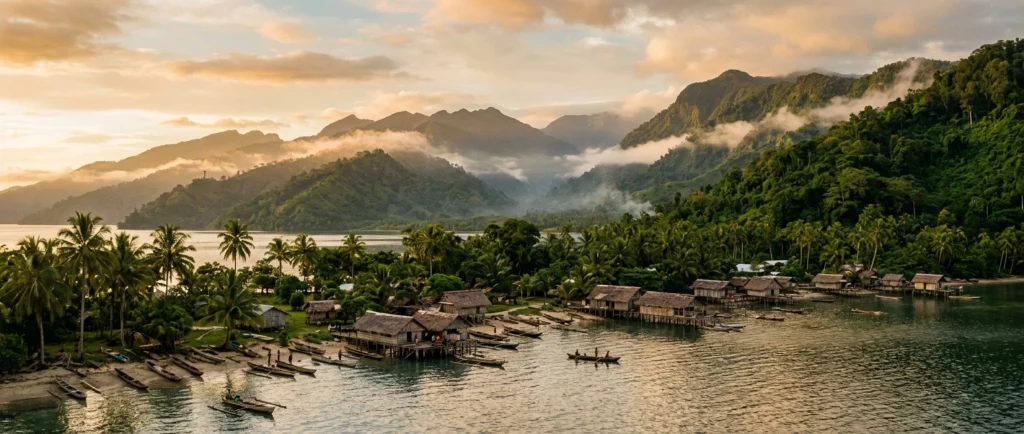
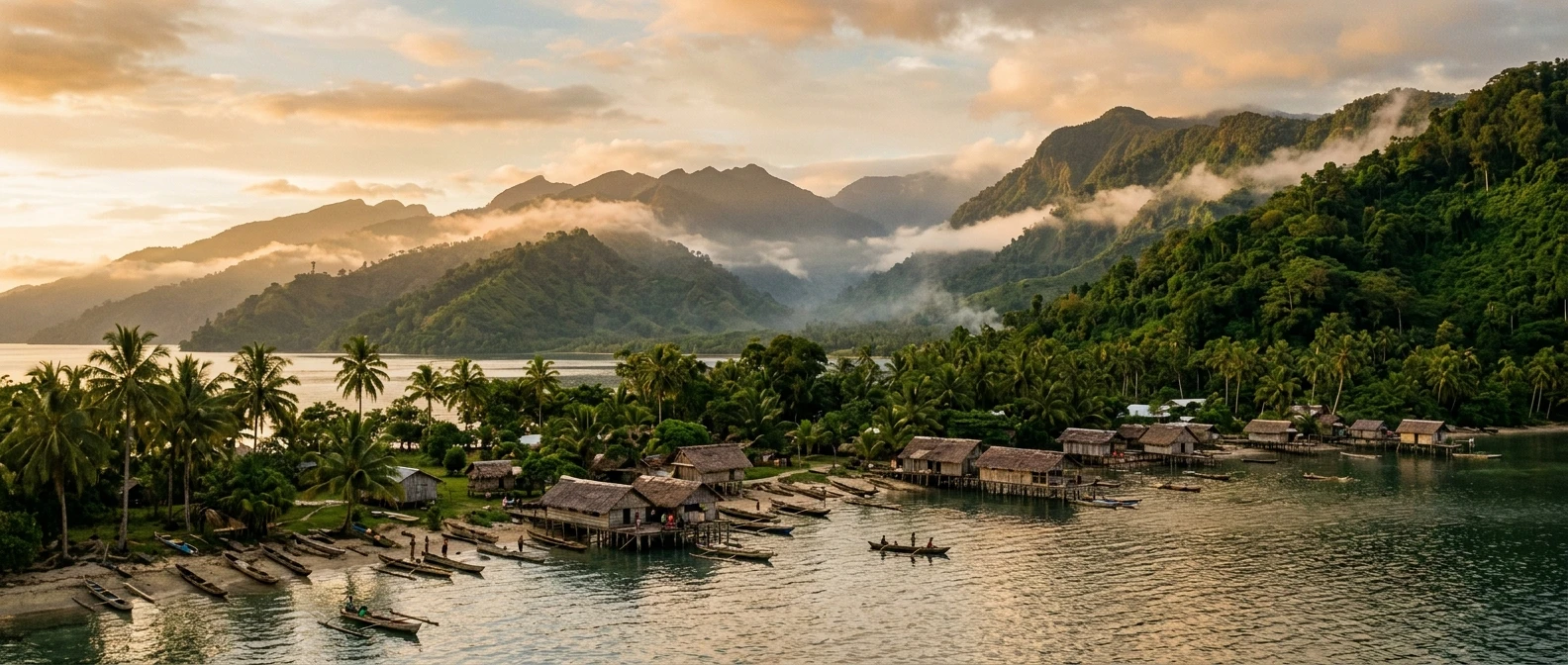
Papua New Guinea needed a place online where the full picture lived in one address: the news, the facts, the culture, the people, and the quieter stories that rarely make it past a province before they disappear. That gap is what PAPUANIUGINI.ORG was built to close. Search for news about PNG and you find fragments scattered across newspaper sites, government pages, and social media threads. Search for an about Papua New Guinea news and information website that tries to hold all of it together, verified and in one place, and there has not been much to find. This is our attempt at that.
We are not trying to replace the established newspapers or compete with them for breaking headlines. What we want to do is explain what the headlines mean once they land in a village, a mine site, a classroom, or a family living overseas. A new road approval is a news item for a day. What it means for farmers getting produce to market, for a clinic that now has an ambulance route, or for children who no longer walk two hours to school, is the part that usually gets left out. That is the space we are writing into.
Our People. Our Land. Our Stories: What the Tagline Means
Our People. Our Land. Our Stories is not a slogan we attach to the homepage and forget. It describes three separate commitments we hold ourselves to in every article.
Our People means we write about Papua New Guineans as the subject of the story, not the backdrop to it. A mining article is also a story about the person applying for a job at Ok Tedi or Lihir. A culture article is about the specific community whose custom it is, not a generalized idea of “tribal PNG.”
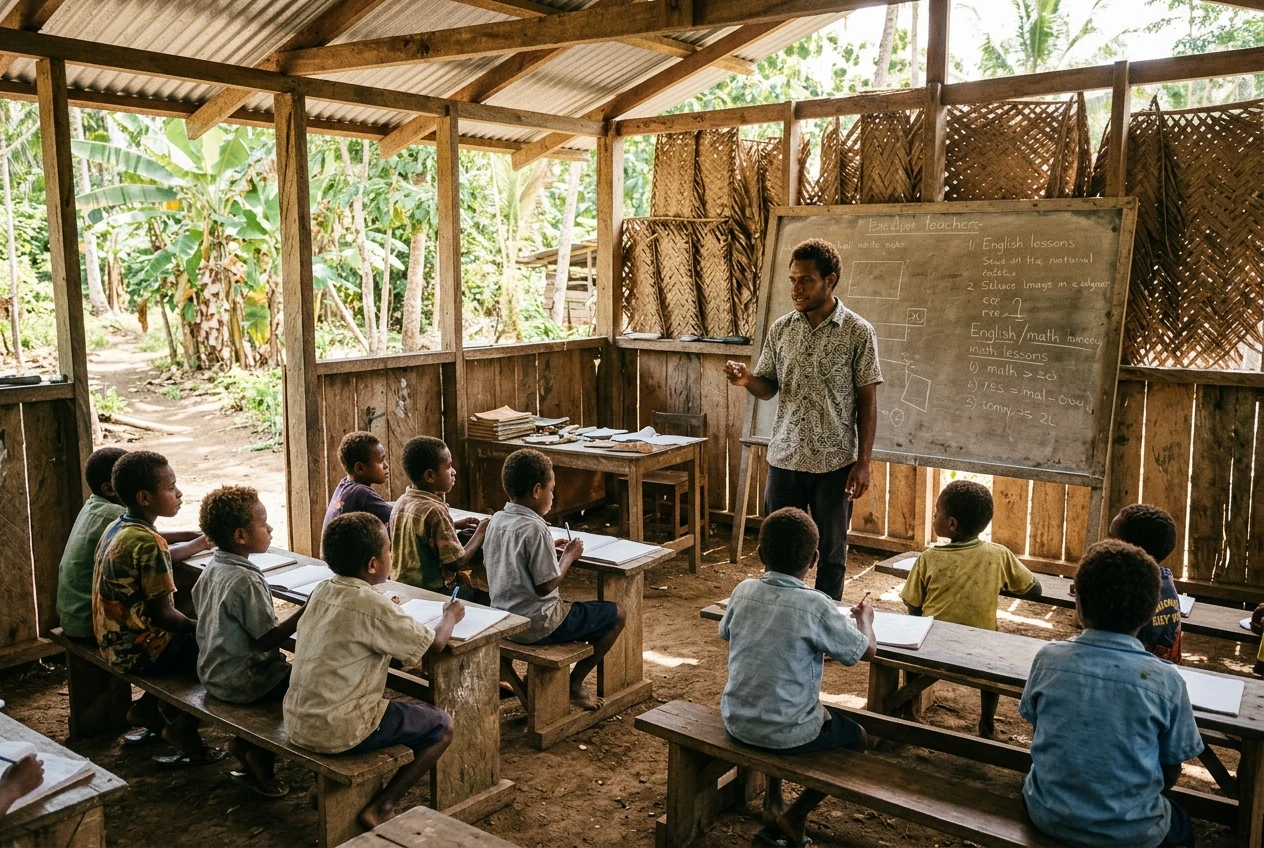
Our Land means geography and history get treated with the same seriousness as current affairs. The provinces, the highlands, the islands, the coastline, these are not scenery. They shape how news happens and why.
Our Stories means we make deliberate room for the Papua New Guineans who are not in the news cycle at all: the teacher in a remote school, the nurse reaching an isolated village, the young entrepreneur building something from nothing. Anslom Nakikus and Crystal Kewe are examples of the kind of achievement we think deserves documentation alongside the political headlines.
What You’ll Find on PAPUANIUGINI.ORG
The site is organized around the questions different readers actually bring to it. A student researching an assignment wants provinces, maps, and a clear history timeline. A job seeker wants to understand what a mining company is actually hiring for and what qualifications matter. A Papua New Guinean living in Australia or New Zealand wants to know what is happening at home without wading through unrelated content to find it.
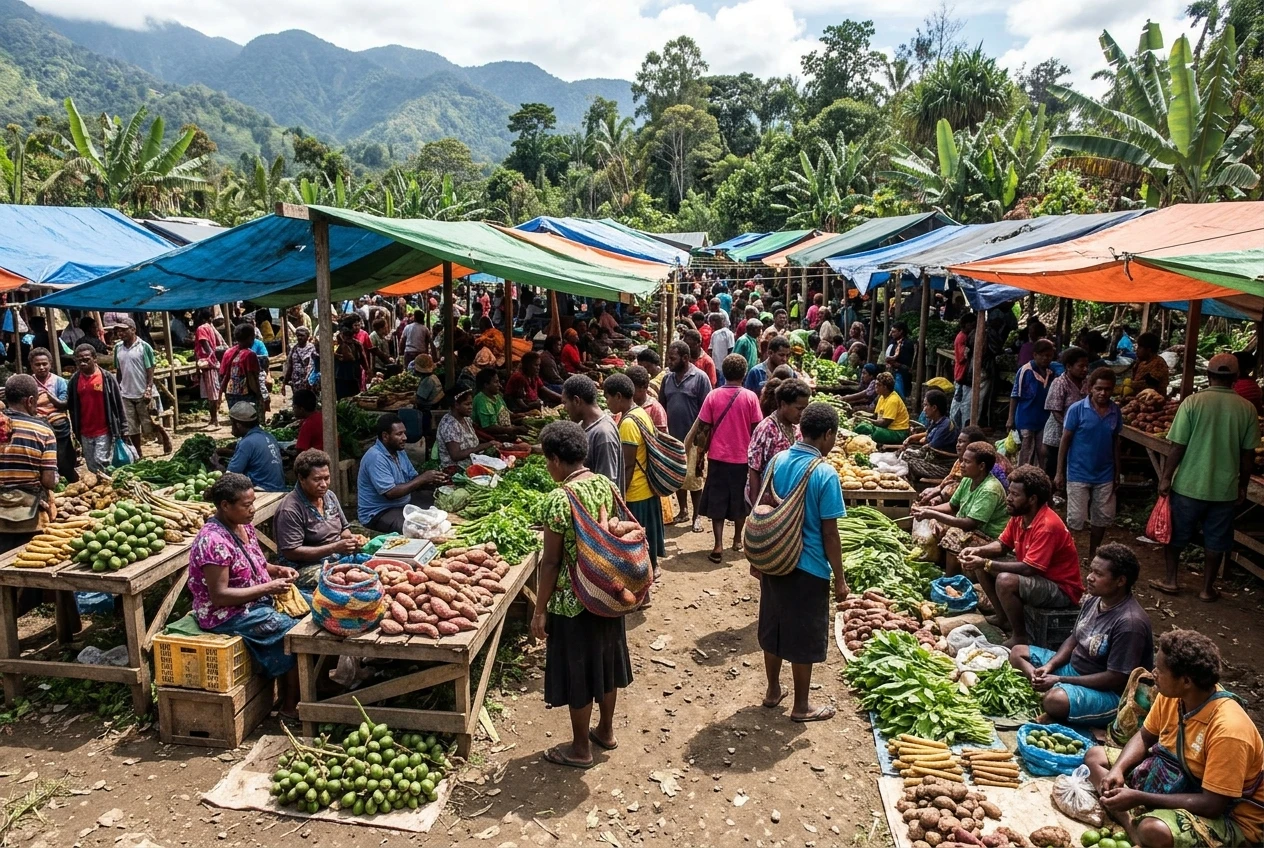
So the site covers national and provincial news, PNG facts and geography for students and researchers, culture and language content that treats PNG’s diversity as hundreds of distinct traditions rather than one, mining and employment information, travel and tourism features, and courier and business guidance for people trying to solve practical problems. Running through all of it is the inspiring stories section, which exists specifically because the rest of the news cycle rarely has room for it.
How We Check Our Facts Before We Publish
We attribute information to where it came from: government publications, public records, established news organizations, and firsthand sources where they are available. When a claim cannot be verified, it does not go in the article as fact. We distinguish confirmed developments from allegations and predictions, and we flag when sources disagree rather than picking the version that reads better.
On topics like Papua New Guinea’s FATF grey listing or governance disputes, we try to explain what the evidence actually shows rather than repeat whichever framing is loudest. Our coverage of the grey listing and its K65 billion debt context is an example of trying to hold both the economic detail and the sovereignty concern in the same piece, instead of flattening it into one or the other.
Where We Still Have Work to Do
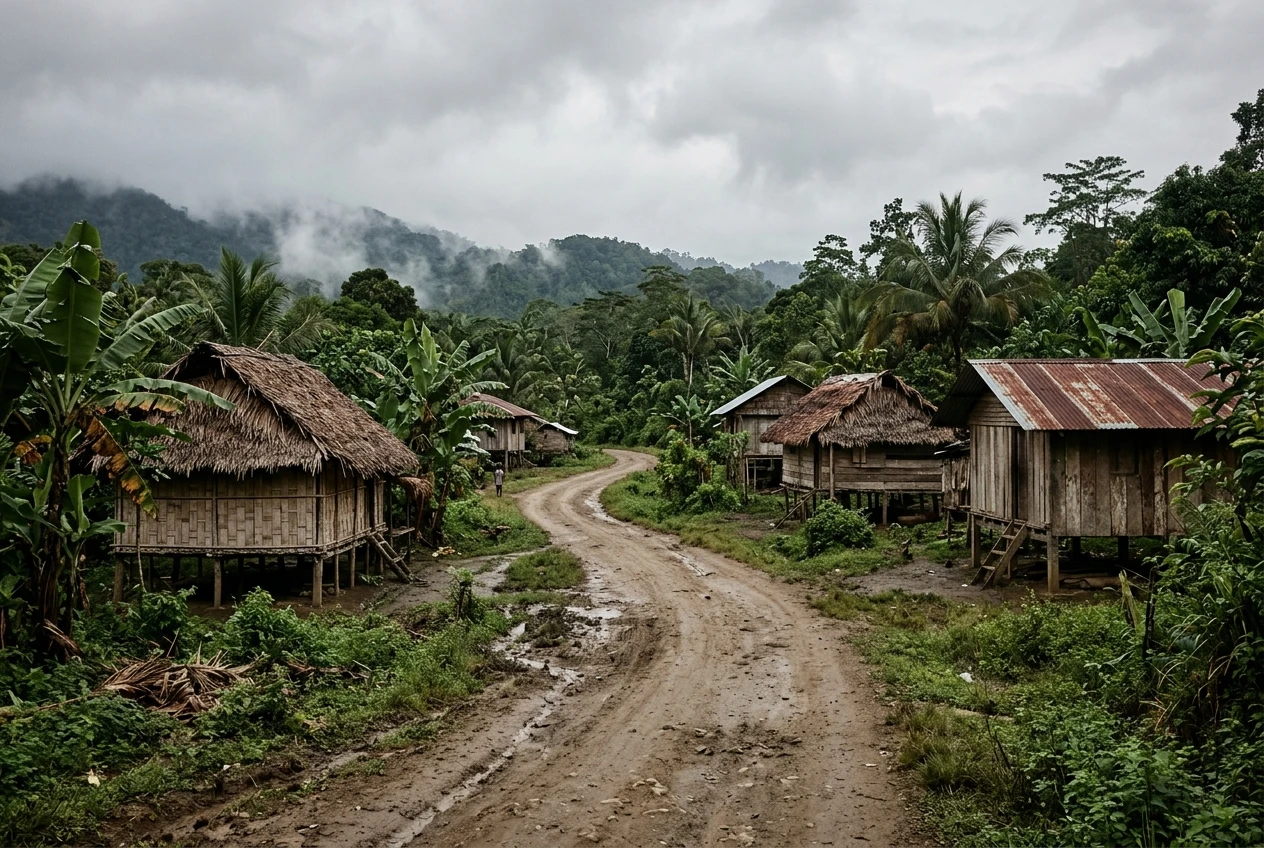
We are honest about being early. Large parts of the country, particularly rural communities outside Port Moresby, are underrepresented in our archive so far simply because verified information from those areas is harder to reach. Our provincial coverage is thinner than our national coverage. Our inspiring stories section is still small relative to how many stories exist across Papua New Guinea’s communities. These are gaps we know about, not gaps we are pretending don’t exist.
What Success Will Look Like for Us, and for You
Success for us is not a traffic number by itself. It is a student finding an accurate answer instead of a recycled one, a job seeker finding a real recruitment channel instead of a scam, and a Papua New Guinean overseas reading something from home that actually reflects what is happening there. If the site grows while doing that honestly, the growth will mean something.
Tell Us Your Story
If you have a verified story from your community, a lead on something we should be covering, or a correction to something we got wrong, send it to us by email. Follow PAPUANIUGINI.ORG on Facebook and subscribe to the email newsletter to see new articles as they go up.