
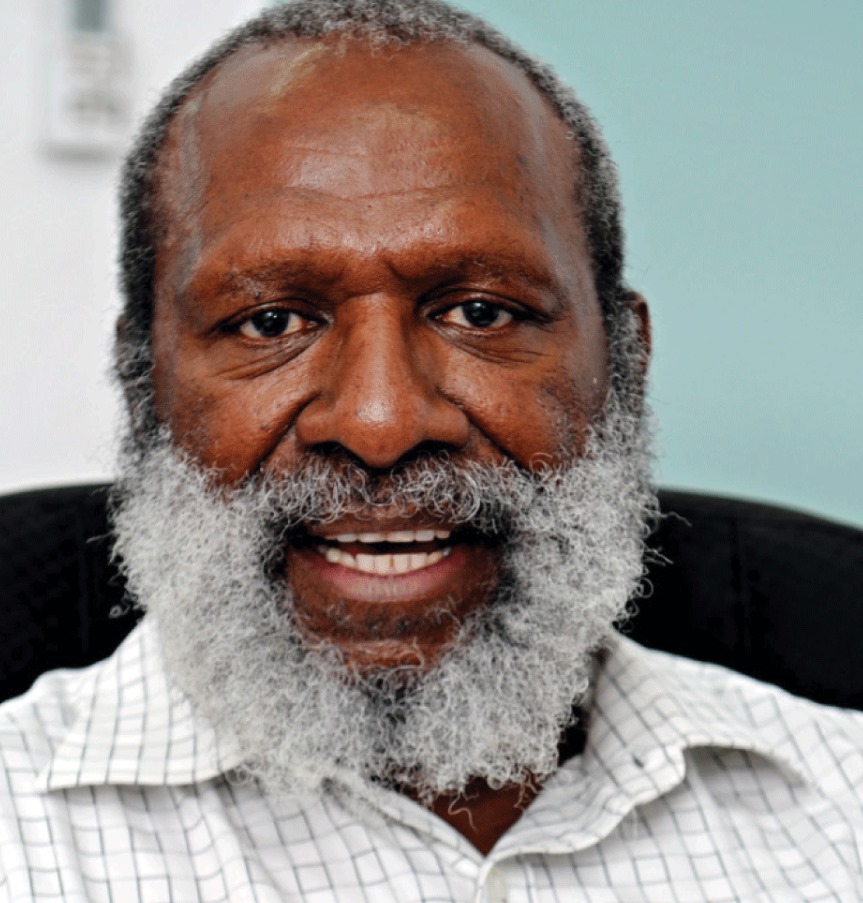
Parliament Gagged In Misleading People Of Papua New Guinea Over The Plight Of Paraka Saga And Unfinished Justice.
Parliament Gagged In Misleading People Of Papua New Guinea Over The Plight Of Paraka Saga And Unfinished Justice.
Parliament Gagged In Misleading People Of Papua New Guinea Over The Plight Of Paraka Saga And Unfinished Justice.
The Peoples Anti-Corruption Movement Launches Legal Battle Against Finance Minister and Prime Minister James Marape The Peoples Anti-Corruption Movement of

Over 50 Dead In Wapenamanda Massacre – Tribal Conflict In Papua New Guinea A devastating massacre in Wapenamanda, Enga Province

A devastating massacre in Wapenamanda, Enga Province has claimed the lives of over 50 men in a heavy gunfire exchange, leaving the community in shock and mourning.
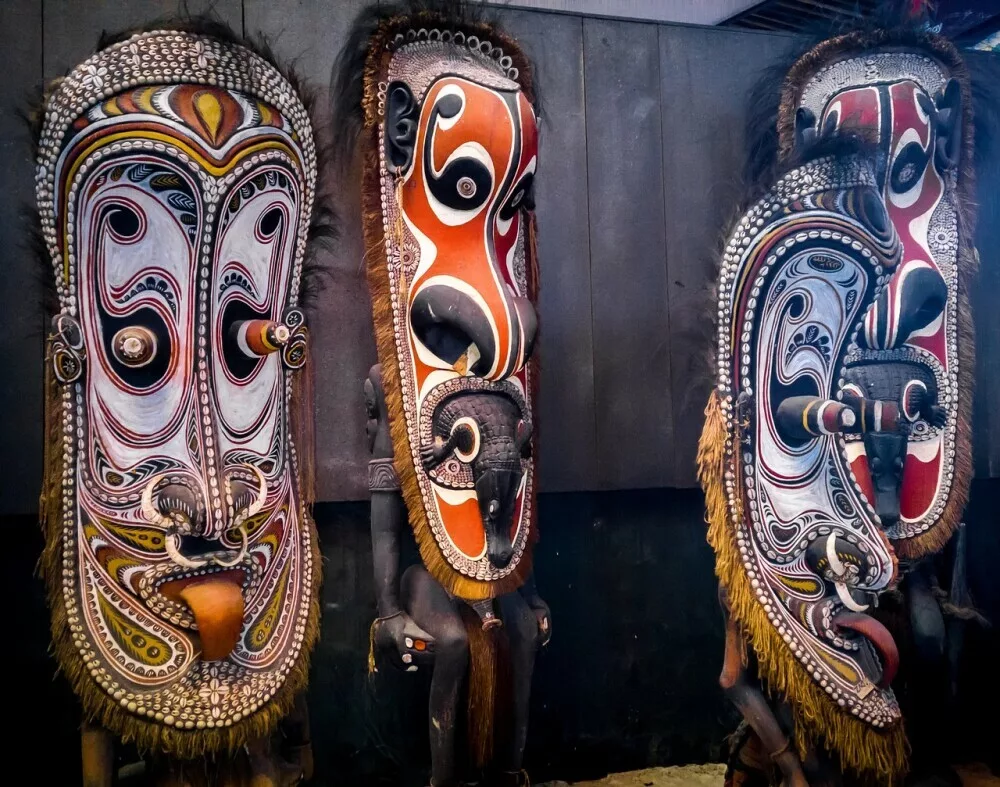
Tracing the historical roots of Christianity in Papua New Guinea from the 19th century missionary efforts to the recent parliamentary discussions on designating the nation as a Christian Country, the journey of Christianity in Papua New Guinea has been profound. European missionaries, both Catholic and Protestant, arrived in the 19th century, facing challenges but gradually spreading Christianity across the region. Missionaries provided education, healthcare, and social services, leading to the acceptance of Christianity. The recent parliamentary debates on recognizing Christianity as the official religion have sparked diverse perspectives, with proponents emphasizing the cultural significance and critics raising concerns about religious freedom and minority rights. The ongoing discussions reflect the complex interplay of cultural, religious, and political dynamics in Papua New Guinea.
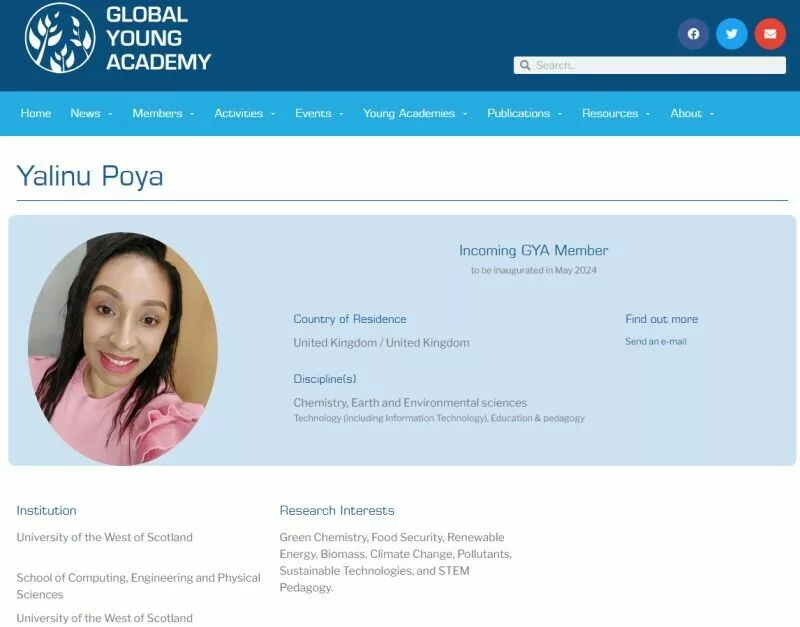
Dr. Yalinu Poya Gow FHEA from Papua New Guinea has made history by becoming the first Pacific Islander to be selected as a member of the prestigious Global Young Academy (GYA) for the term of 2024-2028. The GYA is known for promoting interdisciplinary dialogues and collaborations among young researchers worldwide. Dr. Gow’s selection highlights her scientific excellence and commitment to societal service. She aims to use this platform to engage in science and climate policy-making, as well as collaborate with global organizations like the United Nations. Her achievement not only signifies personal and professional growth but also showcases the talent and potential within Papua New Guinea’s scientific community, inspiring young Papua New Guineans to pursue careers in science and academia.

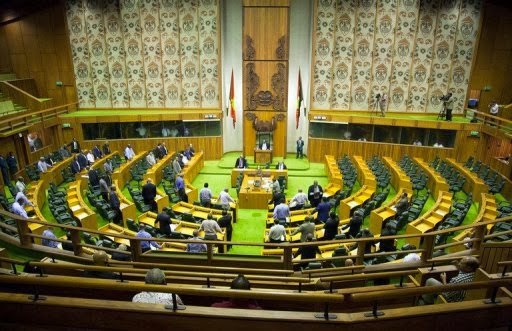
The Papua New Guinea Parliament overwhelmingly voted 84-0 in favor of Prime Minister James Marape on a motion expressing confidence in his leadership. The motion, moved by the leader of Government Business, faced objections from opposition MPs but proceeded to a vote, prompting a boycott from the opposition. After the outcome was announced, the opposition MPs returned to the session. Prime Minister Marape thanked the MPs for their support and emphasized the importance of maintaining order in parliamentary proceedings. Despite the vote, a motion of no-confidence against Prime Minister Marape is still under consideration, pending legal deliberations.
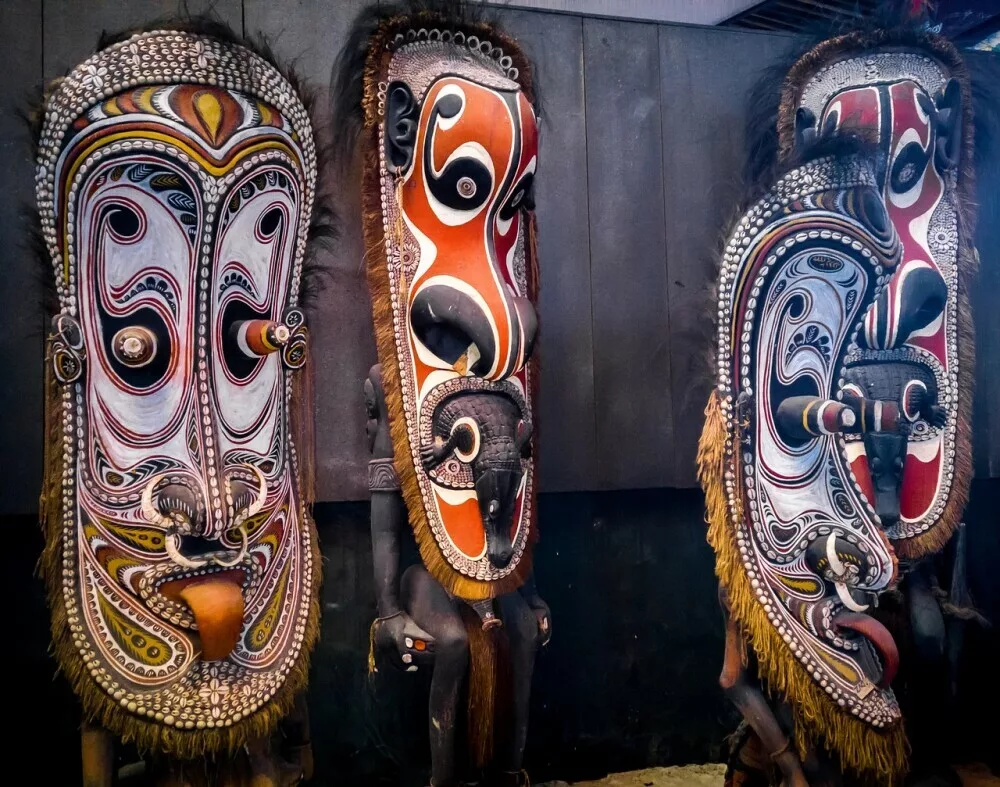
The interaction between Christianity and politics in Papua New Guinea has become a prevalent topic, reflecting societal shifts and historical influences. Christianity’s introduction in the 1800s led to profound changes in mindset, promoting values like respect and honesty. Colonialism further shaped political structures, with external powers leaving lasting impacts. Today, a blend of Christian values and political principles guide the nation, emphasizing integrity and accountability. Amidst modern challenges, it’s crucial to maintain a balance between moral values and political governance, ensuring a prosperous future for Papua New Guinea.
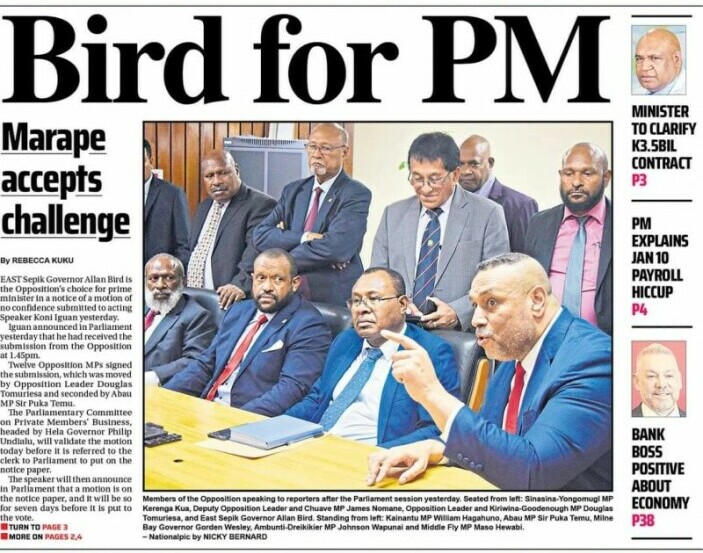
The Honorable James Marape, the current Prime Minister of Papua New Guinea, has embraced the challenge posed by Allan Bird to become the alternative Prime Minister in the forthcoming vote of no confidence.
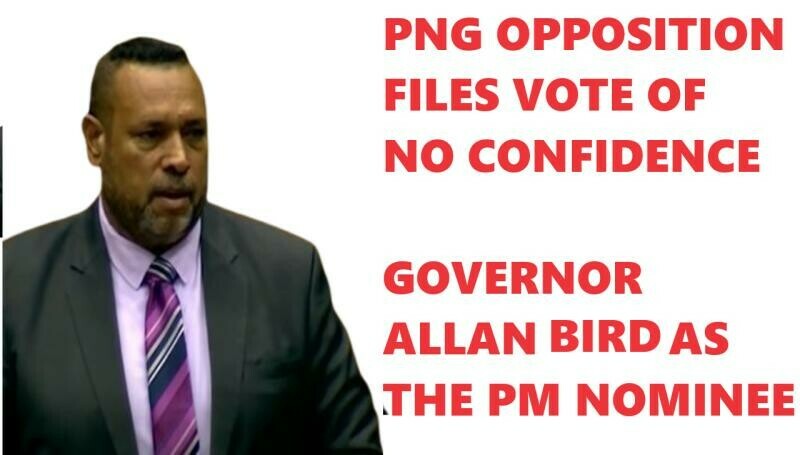
The emergence of the Tomuriesa-Nomane led Parliamentary Opposition marks a significant political shift in Papua New Guinea, following the resignation of former Opposition Leader Joseph Lelang and the quick reorganization of the alternate Government’s members, including the nomination of Allan Bird for the Prime Minister’s position in the upcoming Vote of No Confidence motion, leading to a pivotal moment in the nation’s political landscape.