By Bryan Kramer, MP. | 10 December 2020.
Yesterday, the five-man bench of the Supreme Court handed down a unanimous decision upholding the Member for Ialibu-Pangia’s Supreme Court application.
The Court made the following findings:
1) Adjournment of Parliament to 1 December 2020 was constitutional.
2) Decision of the Speaker to overrule the decision of the Deputy Speaker and Parliament to adjourn to 1 December was unconstitutional.
3) Meeting of Parliament of 17 November 2020 was unconstitutional and, therefore, all decisions made were unconstitutional, invalid and to no legal effect. This included the passage of the 2021 Budget, the appointment of new Members to the Parliamentary Private Business Committee, and the adjournment of Parliament to 20 April 2021.
The Court ordered the Speaker to convene Parliament on Monday 14 December 2020.
Before delving into the details of the judgement, many will note that I never posted what I believed the ruling would be. This was because I viewed it as a line call, where the ruling could go either way.
However, it was also my view that, given the composition of the bench and the questions asked in the proceedings, I expected the Court to declare the Parliament meeting of 17 November 2020 unconstitutional. This would mean that all decisions made during the meeting would also be unconstitutional.
You will note that my last article, posted before the decision, was focused on whether the Opposition’s Vote of No Confidence would succeed. My view was that the ruling would go against the Government, making the next key issue a Vote of No Confidence.
What I did not expect was that the Supreme Court would declare the decision to adjourn to 1 December 2020 was constitutional.
In the next article I will provide insight into the Court’s ruling, the arguments submitted by the parties including the Court’s own interpretation, the facts – and purported facts – including where, in my respectful view, I believe the Court may have erred in parts of its judgment.
——————————————
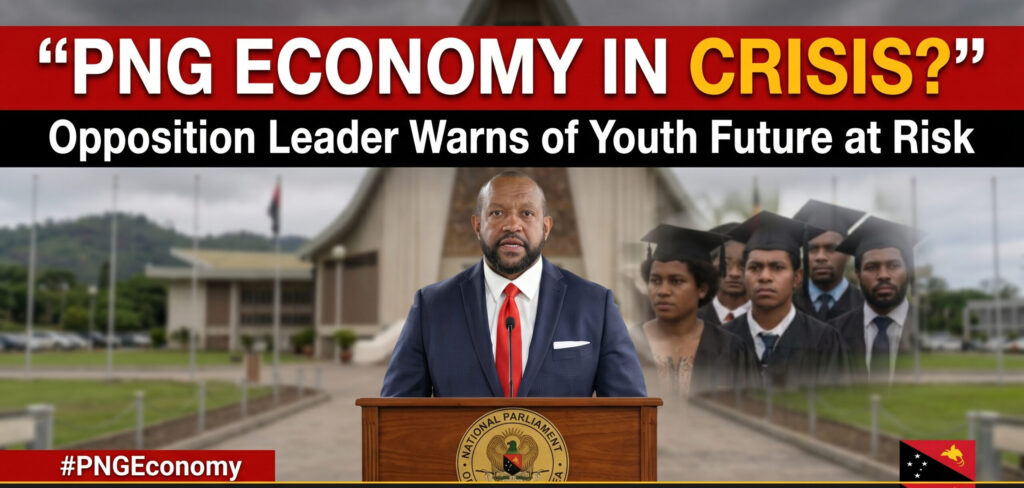
Opposition Leader James Nomane criticises the PNG government over economic damage affecting young graduates and calls for a Vote of No Confidence to restore leadership.
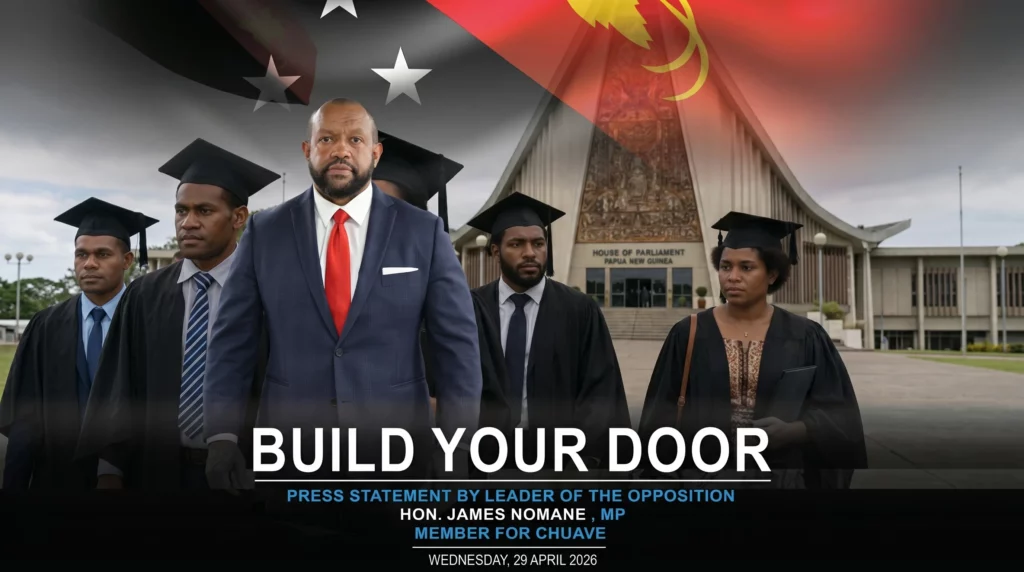
PNG Opposition Leader and Member for Chuave Hon, James Nomane urges graduates to stop waiting for opportunities and instead “build their own door,” highlighting unemployment, corruption, and the need for discipline and leadership among young people
Many Papua New Guineans know Anslom Nakikus as a famous reggae singer. But fewer people know that he is also a well-educated man who studied at the University of Papua New Guinea and the University of Goroka before rising to international music success. His story shows how education and talent can work together to inspire a generation.