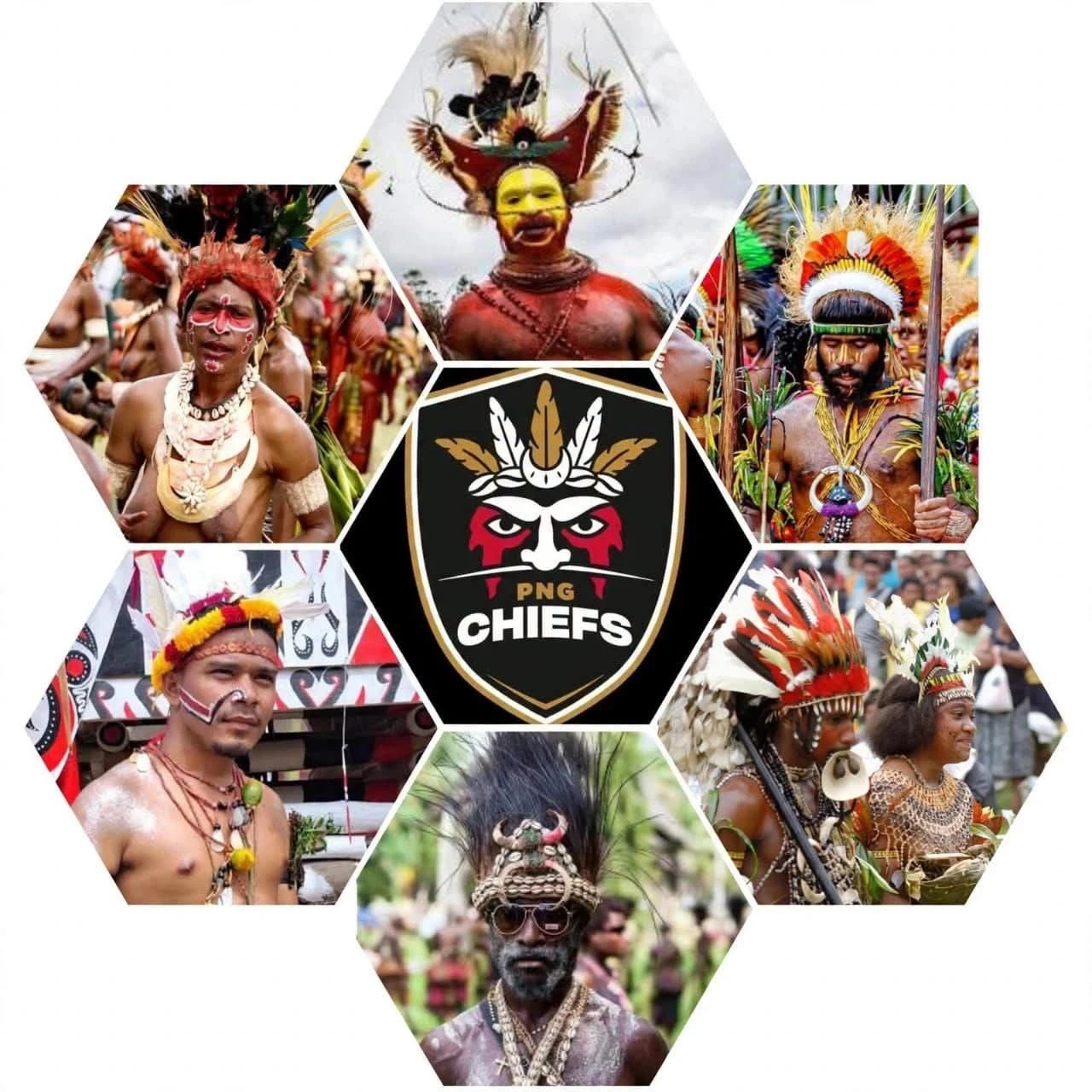
The PNG Chiefs identity is meant to represent the richness and diversity of Papua New Guinea as a whole. It speaks for the whole country: every province, region, tribe and cultural group. The logo is a composite cultural representation, designed to stand for the strength, leadership, identity and heritage of communities across the nation.
That is a large task for one name and one emblem. This article looks at what the identity is meant to do, why a composite design was chosen, what it has to account for in a country as varied as ours, and how readers can weigh the opinions that have come with it.
What the PNG Chiefs identity is meant to represent
A national team carries the name of a country, so its identity has to work for everyone who lives in that country. The stated intention behind the PNG Chiefs is a national sporting identity that brings people together under one banner. The aim is to give supporters in every part of Papua New Guinea something they can call their own.
Four ideas sit behind the logo: strength, leadership, identity and heritage. Each is meant to be read across communities and not tied to one place. A supporter in the Highlands and a supporter in the New Guinea Islands should both be able to look at the same emblem and see something of their own people in it.
The words “belong to all Papua New Guineans” are the clearest summary of the goal. The team should be a point of shared pride, and the identity is built to make that possible.
Why the logo is a composite
Papua New Guinea has extraordinary cultural diversity, and no single image can represent every tradition individually. If a logo drew only on one community’s dress, carving, ceremony or symbols, it would honour that community and leave out the rest. Many supporters would be right to ask why their own heritage was missing.
A composite design takes a different approach. It brings several cultural references together into one representation, so that the whole carries the meaning and no one element is the sole face of the team. The logo does not claim to show every tradition in the country, which would be impossible. It stands for the strength and heritage that Papua New Guinea’s many communities share.
This is a familiar choice for national symbols. Papua New Guinea’s national identity has always had to hold many peoples together, and a composite emblem follows the same logic.
A country of many communities
The case for a shared identity makes more sense once you look at what it has to cover. Papua New Guinea is home to hundreds of distinct languages and many cultural communities. Traditions differ from the Highlands to Momase, from the Southern region to the New Guinea Islands. Customs, ceremonies, music, art, food and leadership structures vary from one community to the next.
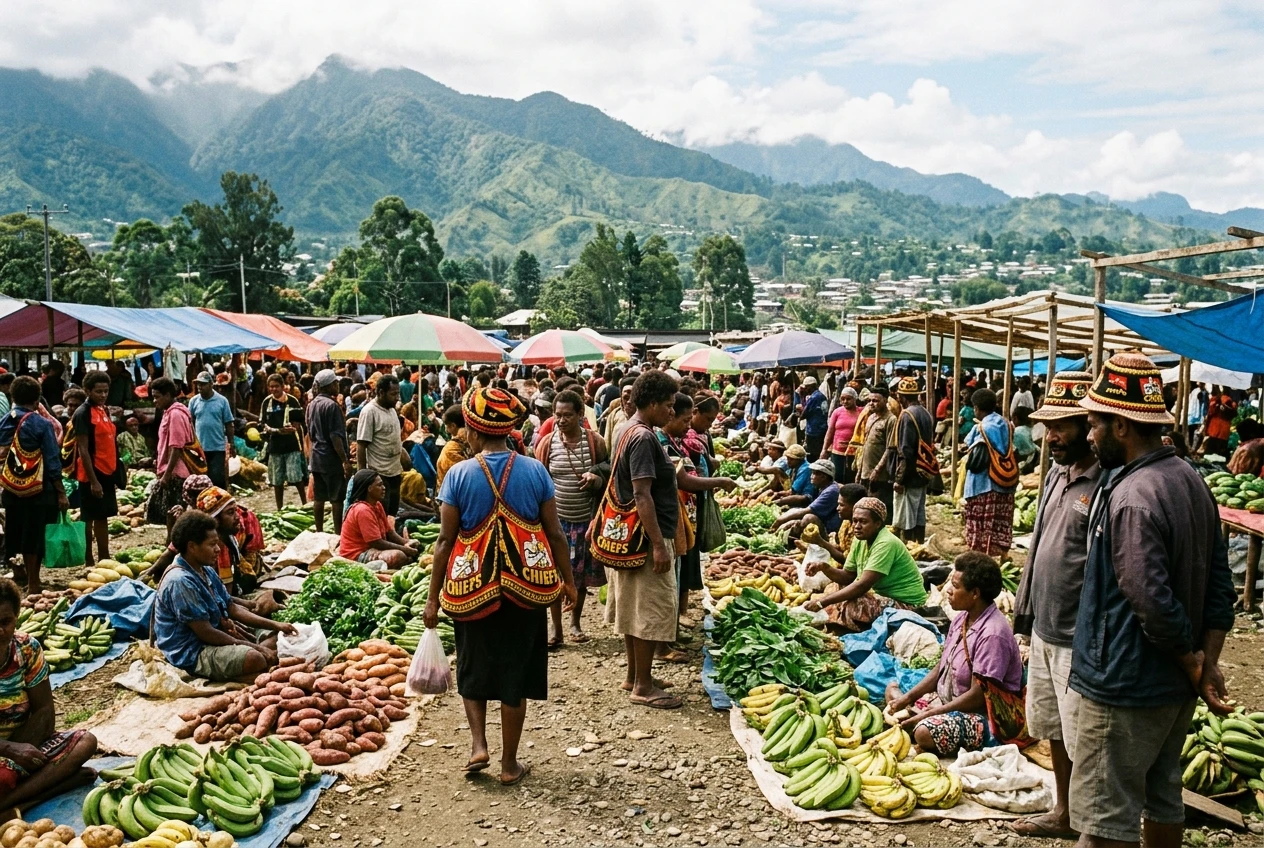
The country’s towns and cities add to the picture. Port Moresby, Lae, Mount Hagen, Madang, Goroka and Kokopo each have their own character, and beyond them are rural communities whose stories rarely reach national attention. A team that wants supporters in all of these places has to be understood as theirs in all of these places.
This is also why the identity should not be treated as a symbol of any one group. Cultural practices need to be understood within their own regional and historical contexts, and treating all Papua New Guineans as one tradition would be inaccurate. A national team can be a unifying symbol without erasing those differences. The shared identity sits alongside local pride, and people can support the Chiefs and stay committed to their own clan, language and place.
Readers who want to see how varied our cultural life is can start with our guide to cultural festivals in Papua New Guinea, which shows how much these traditions differ from region to region.
Opinions about the team, the name, the partnership and the branding
There will always be different opinions about the team, the name, the partnership and the branding. That is normal when a new national symbol is introduced, particularly in a country where sport carries so much feeling. People care about the PNG Chiefs, and caring shows up as debate.
Constructive criticism is a legitimate part of public discussion. Supporters are entitled to ask questions about how the team is named, who is involved, and how the identity was developed. Asking those questions in good faith, with evidence and respect, helps the project and the public understand each other better.
Criticism is most useful when it stays specific. A comment on a design choice, a naming decision or the terms of a partnership gives people something to respond to. Criticism that turns into regional rivalry, tribal prejudice or personal attacks does the opposite, and it works against the very unity a national team is supposed to build.
For readers forming their own view, a few habits help:
- Look for the original source of a claim before sharing it.
- Separate confirmed information from rumour and opinion.
- Ask who is speaking and what they know first-hand.
- Read official statements in full and not only the headlines or screenshots that circulate.
PAPUANIUGINI.ORG will report on the Chiefs under the same editorial standards we apply everywhere: facts attributed to their sources, different perspectives presented fairly, and no promotion of political agendas or regional divisions.
What a shared national team can offer
Rugby league holds a special place in Papua New Guinea because of its popularity and its link to national identity. It is one of the few things that draws people from every province into the same conversation on the same weekend. A national team with an identity that every community can accept has the potential to extend that reach further.
Several groups stand to gain from a team that feels like theirs:
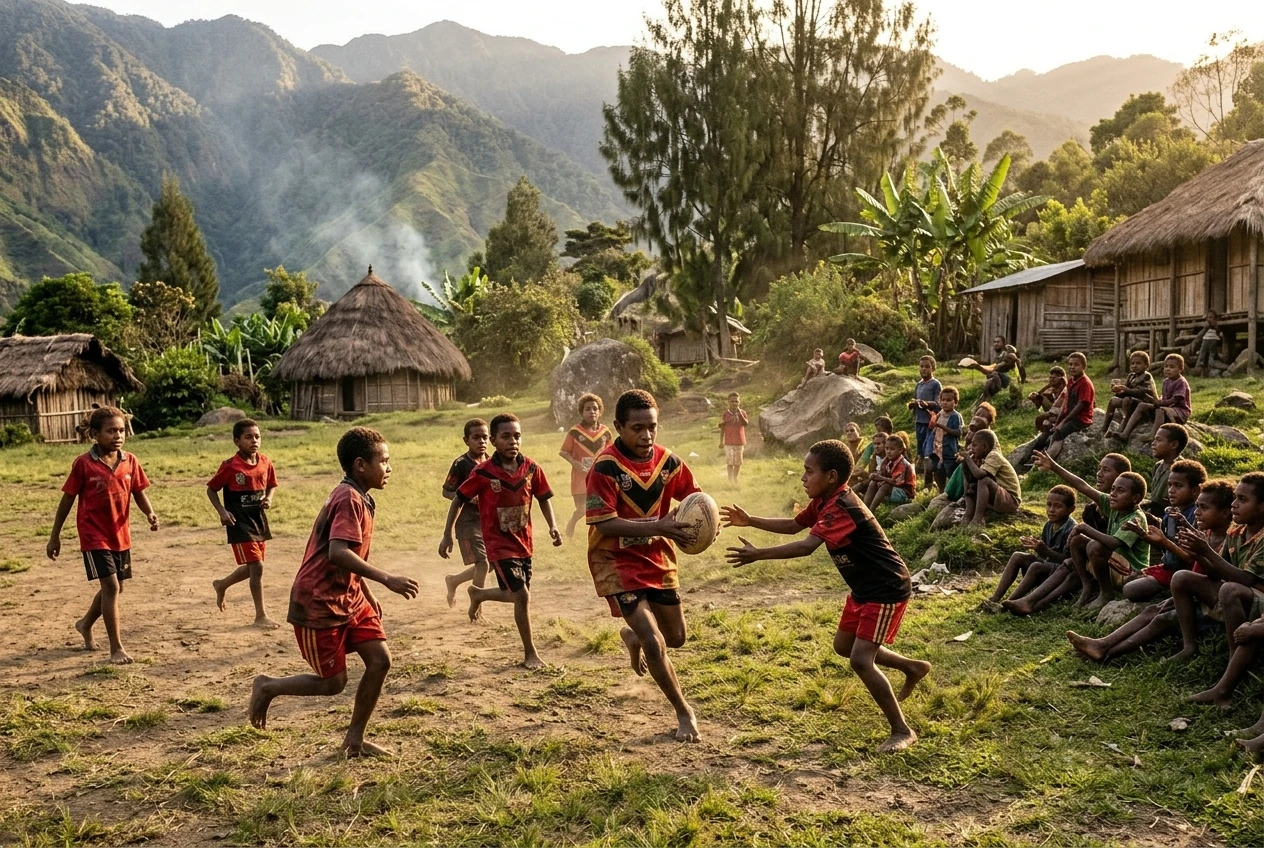
- Young athletes. Boys and girls in villages, schools and grassroots competitions can see a national team that includes them in its story, and a pathway that starts in their own communities.
- Communities. Clubs, schools and local competitions can share in the pride of a team that represents the whole country.
- Papua New Guineans overseas. Those living in Australia, New Zealand, Asia, Europe and elsewhere often follow national sport as a way to stay close to home. A single identity gives them something to rally around, wherever they live.
- Local businesses and organisers. A team that supporters embrace tends to bring attention to the competitions, events and services connected to it.
The Tok Pisin word wantaim, meaning “together”, describes the spirit well. A team can only be a national team if supporters from many places choose to stand behind it wantaim. The identity can invite them to do that, and the performances, the conduct of the players and the openness of those running the team will decide whether they accept the invitation.
Success on the field helps, but pride in the team does not depend on every result. What the identity can offer is a consistent way for all Papua New Guineans to say that this team is theirs, in good seasons and difficult ones.
Following the PNG Chiefs on PAPUANIUGINI.ORG
Rugby league is a major focus for this site, covering national teams, player profiles, grassroots sport and the stories of athletes who inspire young people. As the Chiefs story develops, we will report on it with attention to accuracy and attribution, and we will separate confirmed developments from commentary.
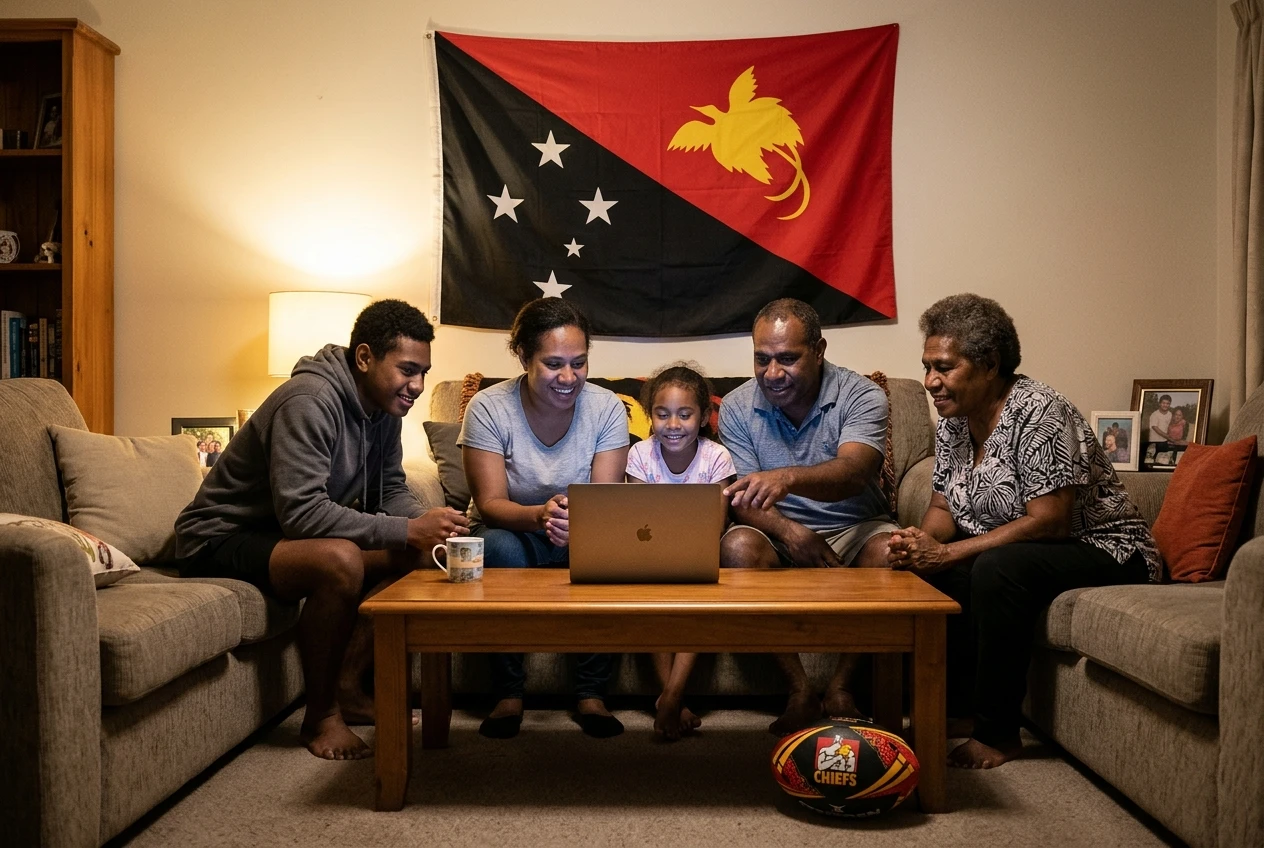
We also want to hear from readers in every province and from Papua New Guineans abroad. What the team means to a village club, a school competition or a family watching from another country is part of the story, and it should be told with the same care as the headlines.
The PNG Chiefs identity asks one thing of everyone who follows the team: to see it as a country’s team and not as the property of one place or one people. If it succeeds, a supporter from any province can wear the name with pride, and the team will carry the many cultures of Papua New Guinea under one banner.
PNG CHIEFS FOR PNG!