A claim circulating on Facebook says almost all of a K4 million pool of Department of Education contracts in 2026 went to companies based in Western Highlands Province. It has prompted calls online for the removal of Education Secretary Dr Uke Kombra. The figures have not been independently verified, and that is why people are asking for the PNG Education Department contracts records to be made public.
What is being alleged
A video on Facebook, presented by a commentator known online as “Big Lee”, claims that around 99 per cent of contracts awarded from a K4 million allocation within the National Department of Education in 2026 went to companies based in Mount Hagen and Western Highlands Province. Supporters of the video say a similar pattern may have occurred in 2025, and possibly earlier.
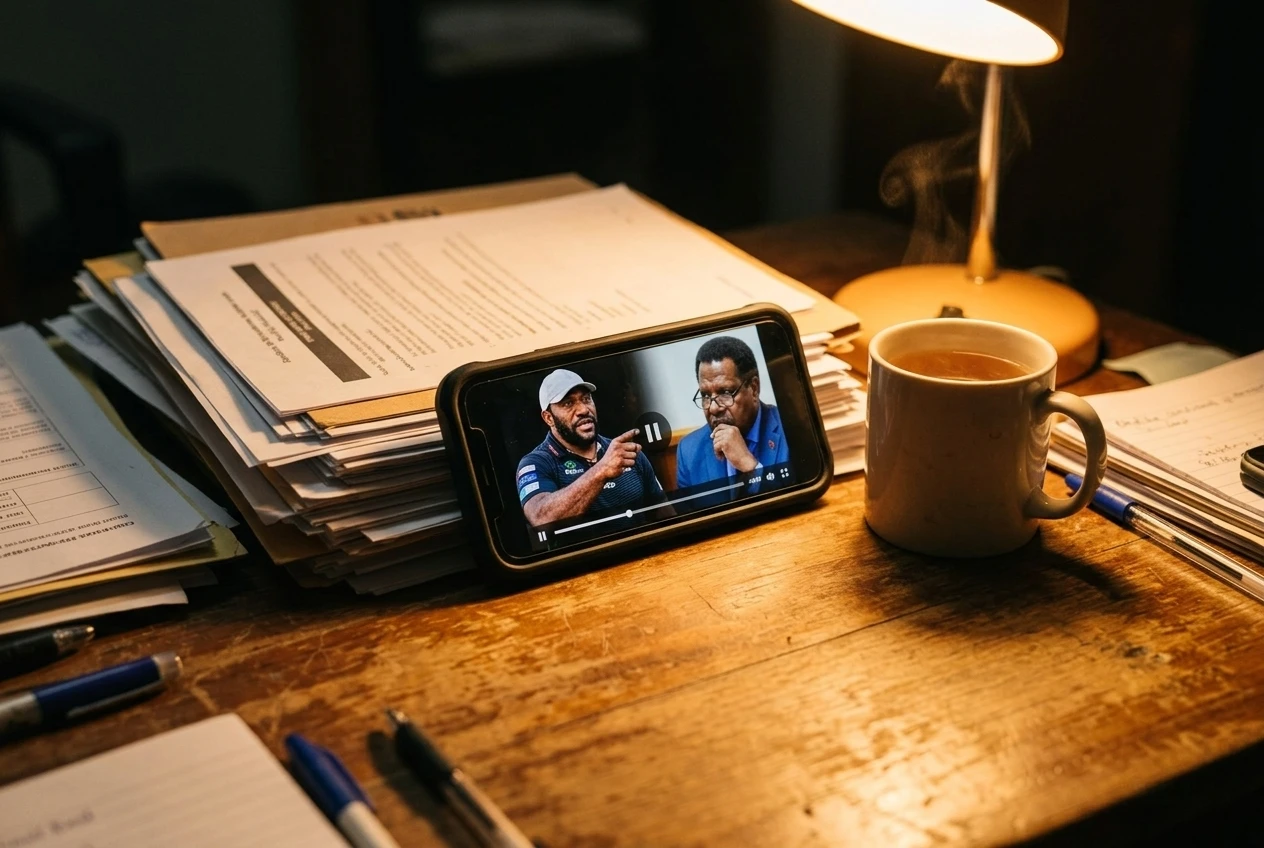
On the strength of these claims, a growing number of Papua New Guineans online are calling on the Marape-Rosso Government to remove Dr Kombra as Secretary for Education.
Papuaniugini has not been able to verify the 99 per cent figure, the K4 million total, the list of contractors, or the years involved. No official contract register supporting or disproving the claim has been made public, and we have not seen a public response from the Department of Education to these specific allegations. Until documents are produced, these remain allegations, not established facts. Dr Kombra, like any public officer, is entitled to the presumption of innocence.
The questions still matter, because public money for schools is at stake, and only the records can settle them.
What is on the public record
Some facts relevant to this debate are already documented:
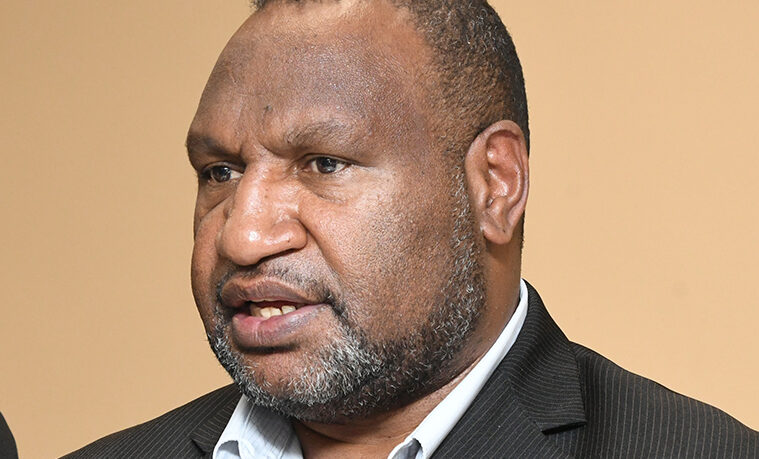
- Dr Kombra’s tenure and background. He has been Secretary for Education since June 2015, which makes him one of PNG’s longest-serving departmental heads. His official biography states that he is from Western Highlands Province. That is why the alleged regional pattern has drawn particular attention, but a shared home province is not, on its own, evidence of wrongdoing.
- Previous charges were withdrawn. In 2019, Dr Kombra was charged with two counts of abuse of office and two counts of misappropriation, linked to K4.4 million allegedly paid to a company in 2016. Police withdrew the case for lack of evidence, and the Waigani Committal Court ordered his K3,000 bail returned. He was not convicted of any offence. (The National)
- The Secretary has himself flagged illegal contracting. In settling old claims under the Rehabilitation of Education Sector Infrastructure (RESI) and NCD Education Services programs (2007 to 2014), Dr Kombra stated that payments had been delayed because those contracts were awarded illegally, bypassing state procurement processes, and that remaining claims would be vetted. (FM100)
- Procurement risk in the sector is long-standing. In 2020, the investigative outlet PNGi reported that a contractor that won several Department of Education infrastructure tenders had a business partner who held a senior role in the Department’s projects division. PNGi stated that it could not establish wrongdoing and that confirmation would require action by authorities. (PNGi Central)
None of these records proves the current allegation. They do show why Papua New Guineans expect education procurement to be open to scrutiny.
Why a regional concentration of contracts would matter
If it were confirmed that nearly all contracts from a national pool went to firms from a single province, that would be a recognised warning sign in public procurement. It could point to restricted tendering, contracts steered to chosen firms, or undeclared conflicts of interest.
A warning sign is not a finding, though. There can be lawful explanations for regional concentration. The works themselves may have been located in that province, few qualified bidders may have applied, or the contracts may have gone through a properly advertised open tender. The paperwork is the only way to tell: tender notices, bid lists, evaluation reports, contracts, delivery certificates and payment records.
The eleven questions the Department must answer
Public discussion has settled on eleven questions. Each one matches a standard checkpoint in a sound procurement process:
- Who received the contracts? Company names, registration details and beneficial owners.
- What were the contract values? Individual amounts and the total awarded.
- What was the procurement method? Open tender, selective tender, request for quotation, or direct purchase, and the justification for any non-competitive method.
- Were the contracts advertised? Where, when, and for how long.
- How many companies tendered? A single bidder, or a handful of related firms, is itself a warning sign.
- What were the selection criteria? Were they published in advance and applied consistently?
- Who sat on the procurement evaluation committee? Names and positions of those who assessed the bids.
- Were there conflicts of interest? Did any official involved have family, business or political ties to a winning bidder, and were these declared?
- Was value for money demonstrated? How did prices compare with market rates and other bids?
- Were the goods, services or works actually delivered? Inspections, completion certificates and site evidence.
- Were payments made after proper verification? Were invoices checked against delivery before money left the Department?
Every government agency spending public money should be able to meet these standards. A department confident in its processes can answer them quickly by publishing its records.
Who has the power to find the answers
Papua New Guinea already has institutions designed for this situation:
- The National Procurement Commission, which oversees public procurement under the National Procurement Act 2018, can review whether the correct procedures were followed.
- The Auditor-General’s Office can audit the Department’s contract and payment records.
- The Ombudsman Commission can investigate the conduct of public office-holders.
- The Independent Commission Against Corruption (ICAC) can receive complaints and investigate suspected corrupt conduct.
- Parliament’s Public Accounts Committee can summon departmental officers to explain expenditure in public hearings.
- The Minister for Education and the National Executive Council, which oversees departmental head appointments, can direct the Department to publish its records and, if warranted, consider suspension pending investigation.
Citizens with documents or first-hand knowledge should take them to these bodies, where evidence can be tested properly, and not only to social media.
Removal or investigation? The case for due process
The frustration behind the calls for Dr Kombra’s removal is understandable. Many Papua New Guineans have watched procurement scandals in health, roads and education go unresolved for years.
Removing a departmental head on the basis of an unverified social media video, however, would set a risky precedent. The decision could be challenged in court, and it would not tell the public where the money went. A sounder sequence is to publish the records, investigate independently, and act on the findings, including suspension, removal or prosecution if wrongdoing is established. If the records show the contracts were properly awarded, the public deserves to know that too.
Readers interested in how due process and free speech questions have played out in PNG can read our article on the Big Lee arrest.
Why this matters for every PNG family
According to the Department itself, PNG’s education system serves roughly 2.7 to 2.8 million students and employs more than 60,000 teachers. Every kina lost to poor procurement is a kina not spent on classrooms, textbooks, science laboratories or school fee subsidies, often in the rural and remote communities that need them most.
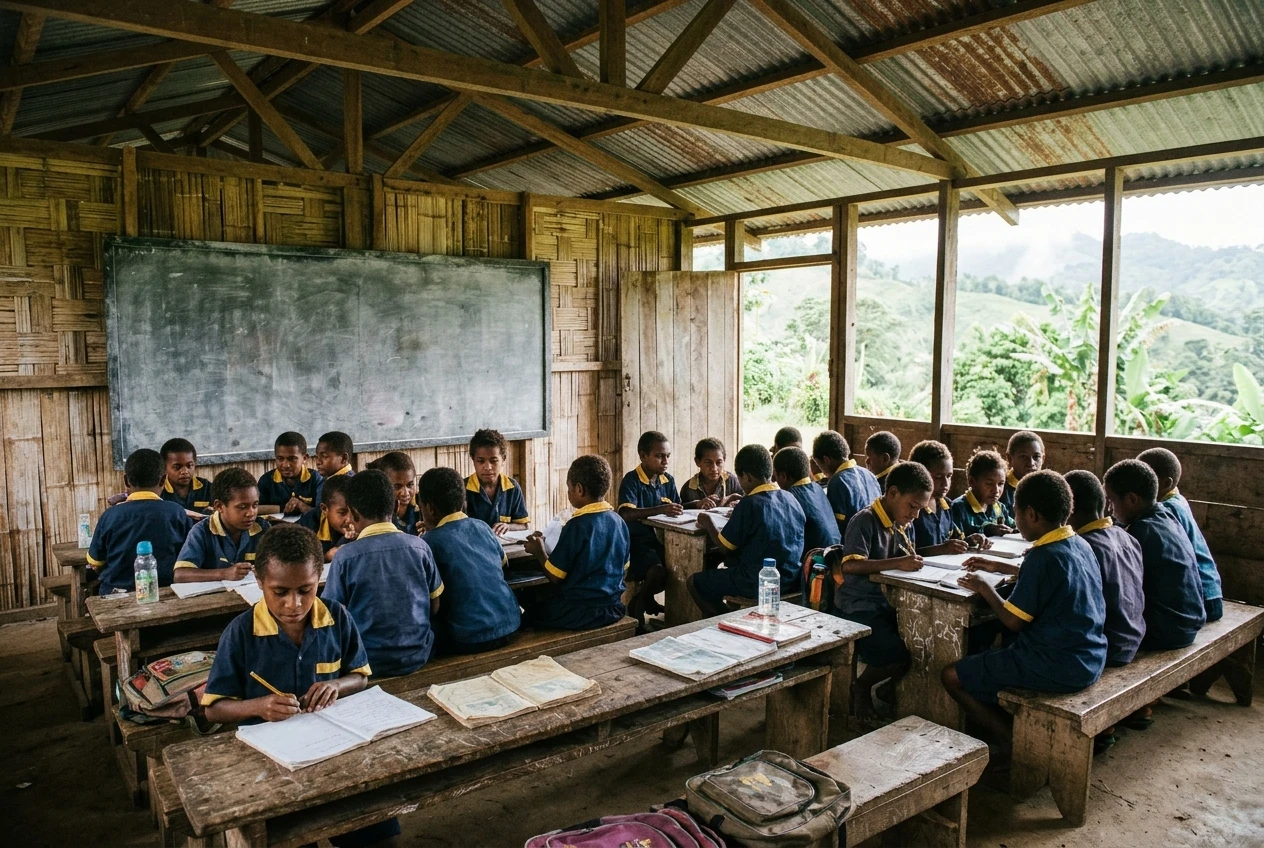
Public trust in the Government’s free education policy depends on people believing the money is spent fairly, wherever in the country they live.
What should happen next
The allegation that 99 per cent of a K4 million contract pool went to Western Highlands firms is serious, and it has not been proven. The Department of Education can resolve it by publicly releasing the contract list, procurement methods, bidder numbers, evaluation committee membership, and delivery and payment records for 2025 and 2026.
If the process was clean, the records will show it. If it was not, the institutions listed above should investigate and act on what they find.
Right of reply: Papuaniugini.org invites the National Department of Education and Dr Uke Kombra to respond to the matters raised in this article. Any response received will be published in full.